
Residential & commercial expertise
TCB delivers thoughtful residential and commercial projects, from award-recognized historic restorations to a simple deck, all forms of roofing, and outdoor living spaces.
We plan carefully and price transparently.
If you’re in South Metro Atlanta, especially in Henry, Spalding, Butts, Rockdale, and Fayette Counties, we’re ready to get to work!
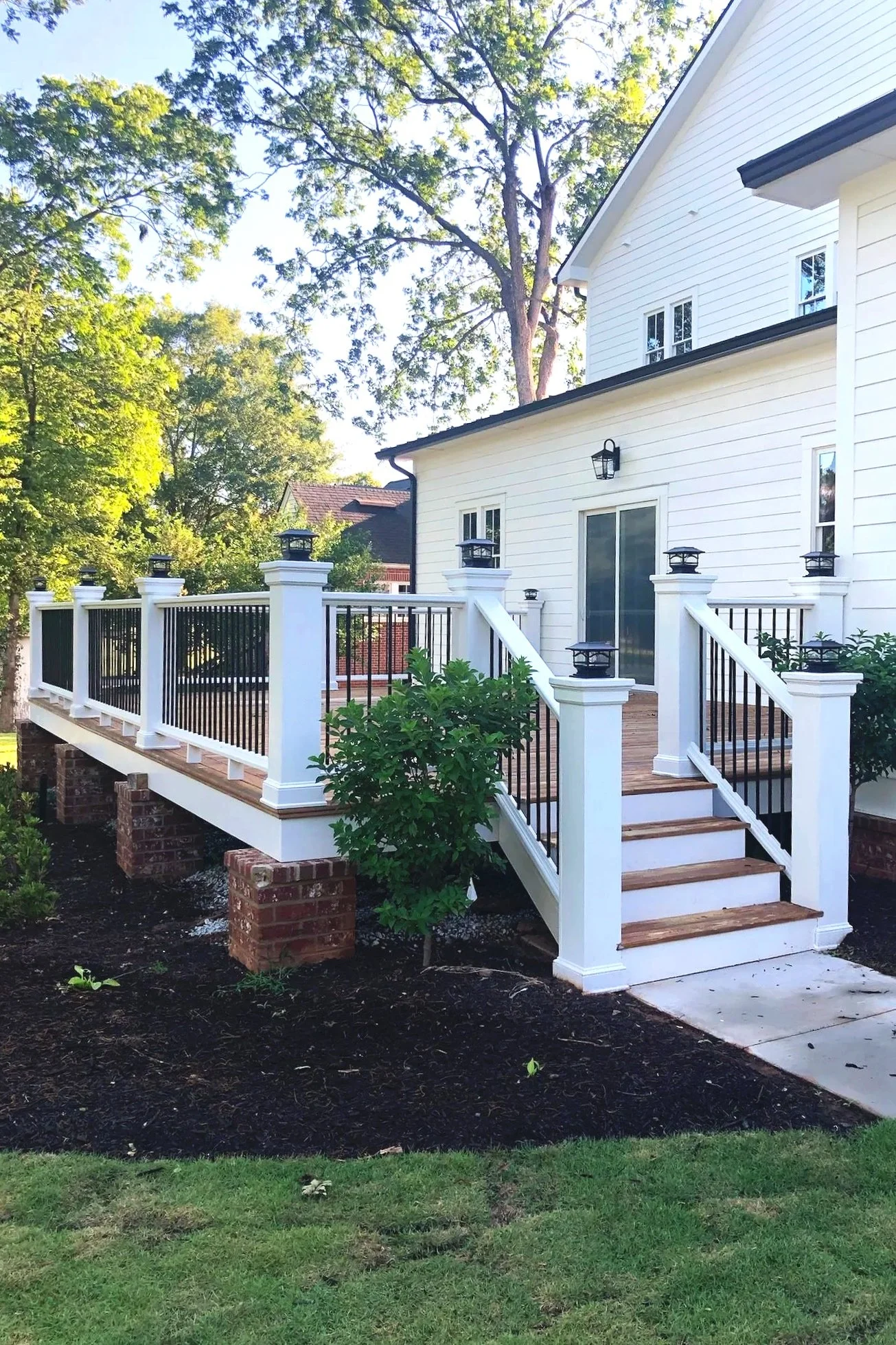
residential construction & renovation
-
We install, minimally Class 3 architectural shingles (for example: IKO, GAF, etc.)
-
Keeping Old Historical Charm Alive! This is where we started.
-
Custom by design- tell us about your project! New gable to create a bedroom, luxury vinyl flooring, new kitchen cabinets, etc.
-
From the simple to the “glorious”, TCB designed and built outdoor spaces can add a dimension to your lifestyle.
-
We are typically HALF of what other replacement windows charge!
Example: Single-hung vinyl windows for your typical residential home are $750/window, with a 5 window minimum. -
Driveways & Sidewalks
Foundations and footings: Provide structural support and load distribution for the entire home.
Slabs and garage floors: Durable, level surfaces for living spaces, storage, and vehicle use.
Driveways and walkways: Hard-wearing exterior surfaces that improve curb appeal and access.
Patios and outdoor living areas: Versatile surfaces for entertaining, often finished with texture or stain.
Porches and stoops: Functional entryways finished to match the home’s style.
Retaining walls and grading structures: Control erosion and create usable landscape levels.
Steps and stair treads: Safe, durable exterior and interior stair surfaces.
Decorative overlays and stamped concrete: Aesthetic options that mimic stone, tile, or brick.
Types of Mixes & Materials
Portland cement: The primary binder in most residential concrete mixes; reliable and widely used.
Ready-mix concrete: Professionally batched at a plant to project specifications—best for larger pours and consistent strength.
Precast concrete: Factory-produced elements (sills, steps, panels) that speed installation and ensure uniform quality.
High-strength and fiber-reinforced mixes: Increased load capacity and crack resistance where needed.
Concrete overlays and micro-toppings: Thin resurfacing systems for updating existing slabs without full replacement.
Cementitious grout and mortar: For masonry repairs, anchoring, and thin-set applications.
Finishes & Treatments
Troweled smooth: Clean, modern look for interior slabs and garage floors.
Broom finish: Slip-resistant texture commonly used on driveways and walkways. -Stamped concrete: Patterned and textured to imitate pavers
commercial construction & Buildouts
-
Use cases: New suites, reconfigurations, tenant improvements.
-
TPO roofing — a thermoplastic polyolefin membrane — is a popular choice for commercial and low-slope residential roofs in the Southern Crescent thanks to its durability, energy efficiency, and cost-effectiveness. The single-ply membrane resists punctures, chemical exposure, and UV degradation, while its reflective surface improves thermal performance and can lower cooling costs in Georgia’s hot summers. TPO systems are available in fully adhered, mechanically fastened, or ballasted installations, allowing flexibility for different building types and substrates. Proper installation and flashing details are critical to ensure long-term watertight performance, and routine inspections help catch seam or edge issues before they lead to leaks.
Perfect For property owners seeking a balance of longevity, maintenance.
-
Transform underused or historic buildings into vibrant, functional spaces with Troy Custom Builder. Our adaptive reuse and interior refresh services blend preservation-minded craftsmanship with modern performance, creating environments that honor character while meeting today’s code, comfort, and operational needs.
What we do
Building assessments and feasibility: Condition surveys, code review, and cost-to-complete analysis to identify reuse potential and budget risk.
Historic preservation: Sensitive restoration of architectural features—moldings, windows, facades, and millwork—paired with careful integration of modern systems.
Interior refresh and fit-outs: Space planning, selective demolition, updated finishes, lighting, and millwork to support new programmatic uses for residential, retail, office, and hospitality tenants.
Building systems upgrades: Mechanical, electrical, plumbing, fire protection, and accessibility improvements that bring older structures up to current standards without sacrificing character.
Energy efficiency & sustainability: Insulation, glazing upgrades, efficient HVAC, lighting, and water-saving fixtures to reduce operating costs while preserving historic fabric.
Code compliance & permitting: Navigation of local codes, historic tax credit requirements, and permitting with city and county authorities.
Tenant coordination & phased construction: Minimized disruption through staged schedules and close coordination with occupants and property managers.
Typical project outcomes
Reimagined loft apartments from former warehouses
Ground-floor retail and hospitality spaces in historic downtown buildings
Modernized office interiors with preserved architectural character
Mixed-use conversions that increase property value and community vitality
-
Cement is the binder—typically Portland cement—while concrete is the composite of cement, aggregates, water, and admixtures.
For commercial projects in the South Metro Atlanta, GA, selecting the right mix, placement method, and finishing approach ensures durability, structural performance, and cost efficiency.
Key Differences
Cement: Powdered binder; reacts with water to form a paste. Used in mortars, grouts, and as a component of concrete.
Concrete: Hardened composite used for foundations, slabs, sidewalks, driveways, columns, and precast elements.
Typical Commercial Applications
Structural slabs and foundations
Parking decks and ramps
Loading docks and service aprons
Sidewalks, curbs, and gutters
Retaining walls and grade beams
Precast panels and architectural concrete
Concrete pavements and industrial floors
Mix Design Considerations
Strength requirements: Specified compressive strength (psi) based on use; typical commercial slabs range from 3,000 to 6,000 psi; heavy industrial or long-span elements may require 6,000+ psi.
Cement content and water-cement ratio: Lower water-cement ratios increase strength and durability; use admixtures for workability.
Aggregates: Proper grading and quality control reduce shrinkage and improve load distribution.
Admixtures: Air-entraining agents for freeze-thaw resistance, plasticizers for workability, retarders or accelerators to control set time, and fly ash or slag for durability and sustainability.
Sulfate resistance and chloride permeability: Choose mixes resistant to exposure conditions, especially for coastal or deicing environments.
Placement & Construction Best Practices
Site preparation: Proper subgrade compaction, moisture conditioning, and use of vapor barriers or subdrains where required.
Reinforcement: Rebar, welded wire mesh, and fiber reinforcement address tensile stresses, control cracking, and increase impact resistance.
Jointing: Control joints, expansion joints, and isolation joints placed according
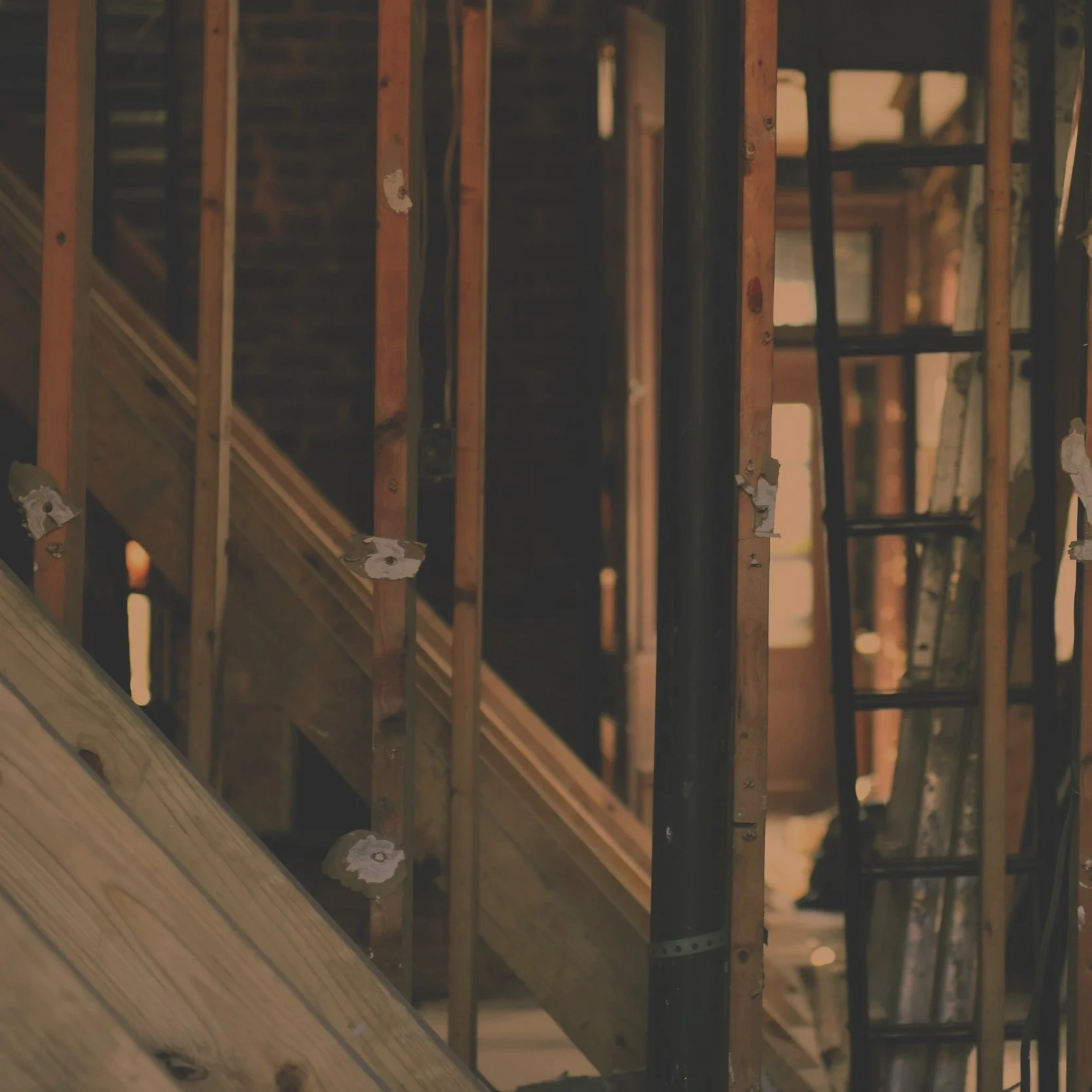
Recognized by the City of McDonough for dedication to historic projects and respectful preservation.
FAQs
Do you work outside mcdonough, ga?
Yes. We serve McDonough, Fayetteville, Peachtree City, Stockbridge, Locust Grove, Jonesboro, and surrounding areas in the South Metro Atlanta. Anywhere in the Atlanta Metro area for Roofing Projects.
How Can i Get a price for roofing?
It’s VERY EASY! We don’t even have to visit. We use a satellite system to do initial evaluation and pricing.
If it’s for an insurance claim, for example, we are typically 25% less than other roofing companies.
We only use the best - minimally Class 3 replacement shingles - some with LIFETIME WARRANTIES!
How Do you Price Replacement windows?
For residential homes, we charge $750/window, with a 5 window minimum.
We prioritize steady communication and schedule discipline throughout.
Are you licensed and insured?
Yes. We maintain proper licensing and insurance for the work we perform.
What’s different about historic projects?
We retain defining character while improving structure, systems, and livability. Our approach is patient, practical, and aligned with preservation standards.
Can we live or work during construction?
Often, yes—especially for targeted remodels or outdoor projects. For larger renovations, we’ll plan phases, protect adjacent areas, and advise on temporary relocations/off-hours if needed.